
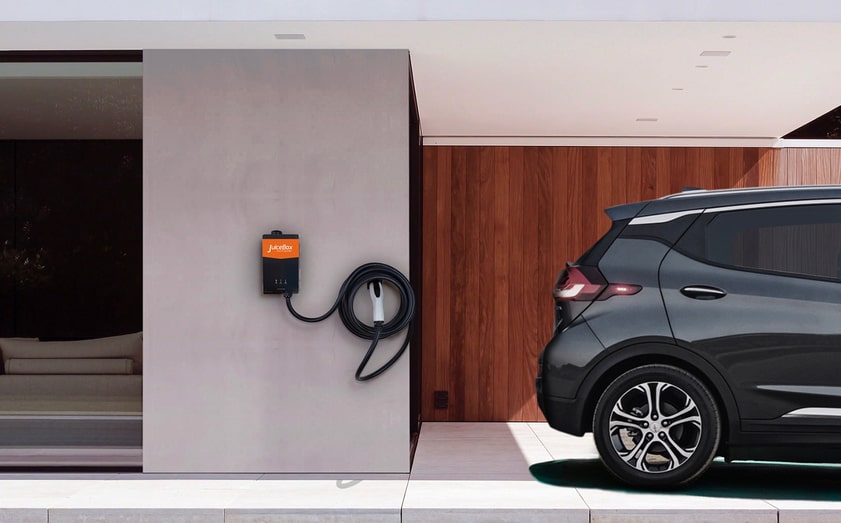
As electric vehicles become increasingly common throughout Ottawa, more homeowners are investing in home charging stations for convenience, efficiency, and long-term savings. Whether you own a Tesla, Ford Lightning, Hyundai IONIQ, Rivian, Chevrolet Bolt, or another electric vehicle, having a dedicated EV charger at home can significantly improve your daily driving experience.
However, before installing an EV charger, many homeowners ask an important question:
Do you need a permit for EV charger installation in Ottawa?
The short answer is yes, in most cases. Electrical work involving a new EV charging station typically requires compliance with Ontario electrical regulations and safety requirements. Understanding these requirements can help homeowners avoid costly mistakes, ensure safety, and protect their investment.
For homeowners in Ottawa, Riverside South, Greely, South Keys, Manotick, Metcalfe, Barrhaven, and surrounding communities, understanding the permit process is an important first step before installing a charging system.
Why EV Charger Installations Are Different From Regular Outlets
Many homeowners assume an EV charger is simply another outlet in the garage. In reality, most home charging stations require significantly more power than standard household receptacles.
A Level 2 EV charger typically operates on a 240-volt circuit and often requires:
- Dedicated electrical circuits
- New breaker installations
- Electrical load calculations
- Proper grounding
- Specialized wiring
- Compliance with Ontario Electrical Safety Code requirements
Because these installations directly affect the home’s electrical system, they must be completed according to applicable safety standards.
Understanding Electrical Permits in Ontario
In Ontario, most electrical work requires notification and inspection through the Electrical Safety Authority (ESA).
The purpose of this process is to ensure:
- Electrical work is completed safely
- Installations meet current code requirements
- Electrical systems are properly protected
- Homeowners remain compliant with provincial regulations
- Future insurance and property issues are avoided
When electrical work is performed without proper approvals or inspections, homeowners may face complications if problems arise later.
Why Permits Matter for EV Charger Installations
Electric vehicles draw significant amounts of power, often for extended periods.
A properly permitted installation helps ensure:
Electrical Safety
The electrical system is evaluated to verify that it can safely support the charger.
Proper Circuit Sizing
The charger receives the correct breaker size and wiring specifications.
Load Capacity Assessment
The home’s electrical panel is assessed to ensure it can safely handle the additional demand.
Compliance with Current Electrical Standards
Requirements evolve over time. Proper installation helps ensure the charger meets current regulations.
Peace of Mind
Homeowners know their charging system has been installed according to established safety standards.
What Types of EV Chargers Usually Require a Permit?
Most Level 2 EV chargers installed in homes require electrical work that falls under Ontario electrical regulations.
Common installations include:
Wall-Mounted EV Chargers
Permanent charging stations installed inside garages or on exterior walls.
Hardwired EV Chargers
Chargers connected directly to the home’s electrical system.
Dedicated Charging Circuits
New circuits installed specifically for EV charging.
Panel Upgrades
Electrical service upgrades performed to support increased charging demands.
Because these installations involve modifications to the home’s electrical infrastructure, permits and inspections are typically required.
When an Electrical Panel Upgrade May Be Necessary
Many homeowners in Riverside South and newer Ottawa communities have modern electrical systems capable of supporting EV charging.
However, some homes may require upgrades before installation.
Common reasons include:
- Limited panel capacity
- Existing 100 amp service
- Full breaker panels
- Multiple large electrical loads already installed
- Future expansion plans
A professional load calculation helps determine whether an electrical panel upgrade is necessary before installation.
What Is an Electrical Load Calculation?
Before installing an EV charger, electricians often perform a load calculation.
This assessment evaluates:
- Existing electrical usage
- Major appliances
- Heating and cooling systems
- Water heaters
- Electric vehicle charging requirements
- Future electrical demands
The goal is to determine whether the home’s electrical system can safely support the additional load.
For many homeowners in South Keys, Greely, Manotick, and Metcalfe, this step helps prevent overloads and future electrical issues.
Common Mistakes Homeowners Make
Using Existing Dryer Circuits Without Proper Evaluation
Some homeowners attempt to connect chargers using existing dryer outlets.
While this may seem convenient, the circuit may not be properly designed for continuous EV charging.
Installing Chargers Without Professional Assessment
Without evaluating panel capacity and electrical load, homeowners risk:
- Overloaded circuits
- Breaker trips
- Reduced charging performance
- Potential electrical hazards
Choosing the Wrong Charger Size
Not every home requires the highest-powered charging station available.
Selecting the right charger depends on:
- Daily driving habits
- Vehicle type
- Electrical capacity
- Future needs
How Long Does the Permit Process Take?
Permit timelines vary depending on the project.
Many standard residential EV charger installations can be completed relatively quickly when:
- Existing electrical capacity is sufficient
- No major upgrades are required
- Installation access is straightforward
More complex projects involving panel upgrades or detached garages may require additional planning.
Can EV Chargers Be Installed Outdoors?
Yes.
Many homeowners throughout Ottawa choose outdoor installations.
Modern charging systems are designed to withstand:
- Snow
- Rain
- Ice
- Extreme temperatures
- Humidity
Outdoor installations are common in:
- Riverside South
- Manotick
- Barrhaven
- Greely
- Metcalfe
Proper equipment selection and installation methods help ensure reliable year-round performance.
Benefits of Professional EV Charger Installation
Professional installation provides several important benefits.
Code Compliance
Installations follow current electrical requirements.
Proper Equipment Selection
Homeowners receive recommendations based on their specific needs.
Future Expandability
Electrical systems can be designed to accommodate future upgrades.
Improved Reliability
Proper installation helps reduce the risk of charging interruptions.
Enhanced Safety
Correct wiring, grounding, and circuit protection help protect both the home and the vehicle.
Why EV Charging Is Growing Across Ottawa
Ottawa homeowners are increasingly embracing electric vehicles because of:
- Reduced fuel costs
- Lower maintenance requirements
- Improved charging infrastructure
- Environmental benefits
- Government incentives and industry growth
Communities such as Riverside South, South Keys, Greely, Manotick, and Metcalfe are seeing increased demand for charging infrastructure as more residents transition to electric transportation.
Frequently Asked Questions
Do I need a permit to install an EV charger in Ottawa?
In most cases, yes. Electrical work associated with EV charger installation generally requires compliance with Ontario electrical regulations and inspection requirements.
Can I install an EV charger myself?
Electrical work involving EV chargers should be completed according to applicable electrical standards. Professional installation helps ensure safety and compliance.
What is the difference between Level 1 and Level 2 charging?
Level 1 charging uses a standard household outlet and charges slowly. Level 2 charging uses a 240-volt circuit and provides significantly faster charging speeds.
Can my current electrical panel support an EV charger?
Many homes can support EV chargers without upgrades, while others may require panel modifications. A load calculation helps determine capacity.
How much does EV charger installation cost in Ottawa?
Costs vary depending on:
- Charger type
- Wiring distance
- Panel capacity
- Installation complexity
- Additional upgrades required
Can EV chargers be installed outside?
Yes. Outdoor-rated charging equipment is designed for Canadian weather conditions.
How long does EV charger installation take?
Many installations can be completed within a day, although timelines vary depending on project requirements.
Will an EV charger increase my home’s value?
As electric vehicle ownership continues to grow, many buyers view home charging capability as a desirable feature.
Preparing Your Ottawa Home for Electric Vehicle Ownership
Electric vehicles are becoming an increasingly important part of everyday life throughout Ottawa and surrounding communities. Whether you live in Riverside South, South Keys, Greely, Manotick, Metcalfe, or elsewhere in Ottawa South, installing a properly designed home charging system can provide convenience, efficiency, and long-term value.
Understanding permit requirements, electrical capacity, and installation considerations before beginning the project helps ensure a smoother process and a safer charging experience. With more homeowners embracing electric transportation every year, professionally installed EV charging systems are quickly becoming one of the most valuable electrical upgrades available for modern homes.
