
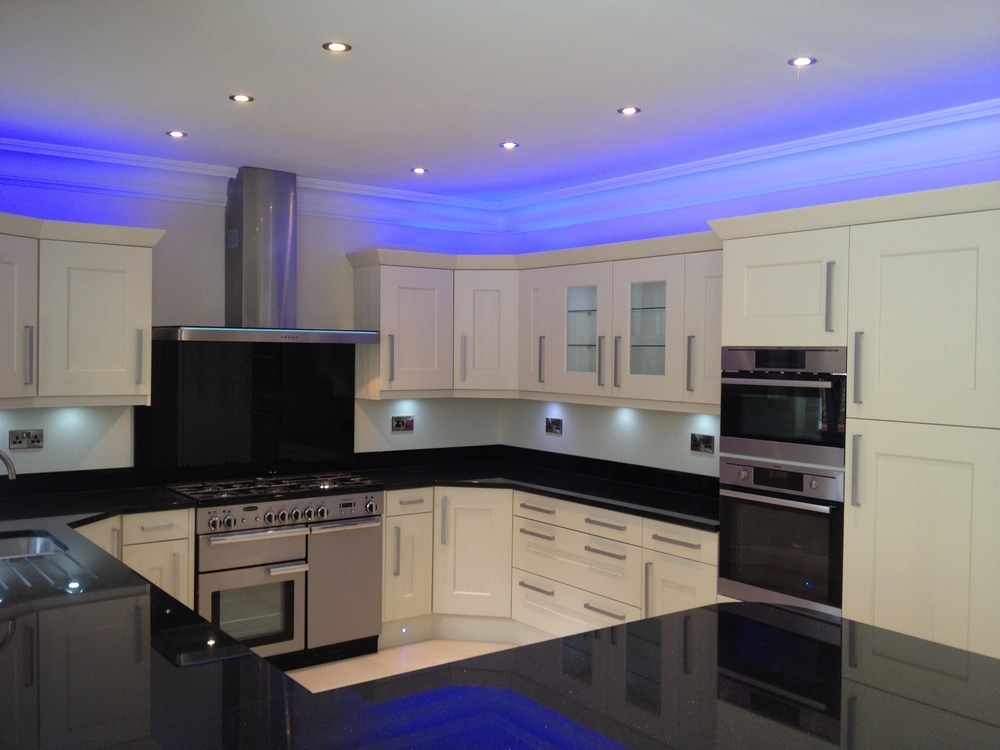
Kitchen renovations are a popular way for homeowners to improve comfort, functionality, and convenience. In Riverside South, Ottawa, many homeowners are exploring modern cooking appliances that offer improved temperature control, energy efficiency, and contemporary designs.
One appliance gaining attention is the induction stove.
Induction cooking offers several advantages over traditional electric and gas cooking methods. It heats compatible cookware directly using electromagnetic technology, allowing for responsive temperature adjustments and efficient cooking.
However, installing an induction stove involves more than selecting an attractive appliance and placing it in the kitchen.
Depending on the model, an induction range or cooktop may require a substantial electrical supply, a dedicated circuit, and appropriate wiring.
For Riverside South homeowners considering induction cooking, understanding these requirements before purchasing an appliance can help avoid unexpected installation costs and renovation delays.
1. What Is an Induction Stove?
An induction stove uses electromagnetic energy to heat compatible cookware directly.
Unlike traditional electric resistance cooking surfaces, which heat an element that transfers heat to the cookware, induction technology generates heat within the cookware itself.
This allows induction cooking to respond quickly to temperature adjustments.
Many homeowners appreciate induction cooking because it offers:
- Responsive temperature control
- Efficient energy transfer
- Easy-to-clean cooking surfaces
- Reduced waste heat around the cooking area
- Modern appliance features
However, induction appliances still use electricity and must be connected to an appropriately designed electrical supply.
2. Why Electrical Planning Matters Before Installation
An induction stove may look similar to a traditional electric range, but its electrical requirements depend on the specific model.
Some induction ranges can use an existing suitable range circuit.
Others may require electrical modifications.
If a homeowner is replacing a gas stove, additional electrical work is often necessary because a gas range may only have a standard receptacle for ignition, lighting, and controls.
Before purchasing an induction appliance, confirm the electrical specifications.
This helps determine whether the existing wiring, circuit protection, and electrical panel are appropriate.
3. Understand the Difference Between an Induction Range and Cooktop
Induction appliances are available in different configurations.
Induction Range
An induction range combines a cooking surface and oven in one appliance.
It typically requires a substantial electrical supply because it includes both cooking elements and an oven.
Induction Cooktop
An induction cooktop is a separate cooking surface installed into a countertop.
It may be paired with a separate wall oven.
The cooktop and oven can have different electrical requirements and may need separate circuits.
For homeowners planning a complete kitchen renovation, selecting the appliance configuration early is important.
4. Check the Manufacturer’s Electrical Specifications
One of the most important steps is reviewing the installation manual for the exact appliance model.
The specifications may identify:
- Required voltage
- Circuit rating
- Electrical connection method
- Conductor requirements
- Overcurrent protection
- Installation clearances
- Other manufacturer requirements
Many full-size induction ranges are designed for 240-volt electrical supplies, but requirements vary.
Some models may specify 40-amp or 50-amp circuits, while others have different requirements.
Homeowners should not assume that every induction stove uses the same electrical configuration.
The installation must follow the manufacturer’s instructions and applicable electrical requirements.
5. Does an Induction Stove Need a Dedicated Circuit?
Full-size induction ranges commonly require a dedicated branch circuit.
This means the circuit is intended to supply the appliance rather than unrelated household equipment.
However, the exact arrangement depends on the appliance and applicable electrical requirements.
A qualified electrician can review the manufacturer’s specifications and determine the appropriate circuit design.
Using an unsuitable existing circuit can create electrical hazards or prevent the appliance from operating correctly.
6. Can You Use an Existing Electric Stove Circuit?
If your Riverside South home already has an electric range, the existing circuit may be suitable for a replacement induction range.
However, compatibility should be confirmed rather than assumed.
An electrician may need to evaluate:
- Existing circuit rating
- Wiring condition
- Conductor size and type
- Receptacle or connection arrangement
- Appliance specifications
- Electrical panel compatibility
If the existing circuit does not meet the new appliance’s requirements, modifications may be necessary.
A new induction stove should never be connected to an undersized or otherwise unsuitable circuit.
7. Switching From Gas to Induction May Require New Wiring
Homeowners replacing a gas stove with an induction range should pay particular attention to electrical requirements.
A gas stove may use a standard household receptacle for controls and ignition.
That receptacle is generally not suitable for supplying a full-size induction range.
The renovation may require a new appropriately rated circuit from the electrical panel.
The gas connection must also be addressed safely by an appropriately qualified professional.
Coordinating the electrical and gas work before the new appliance arrives can help prevent installation delays.
8. Does an Induction Stove Require a 200 Amp Electrical Panel?
Not necessarily.
A common misconception is that installing an induction stove automatically requires upgrading the home’s electrical service to 200 amps.
The actual need depends on the property’s existing electrical capacity and total electrical demand.
Some homes with 100-amp services may be able to accommodate an induction appliance, depending on their existing loads and applicable calculation requirements.
Other homes may require changes before additional electrical demand can be supported.
An electrical load calculation can help determine whether the current service is appropriate.
9. Why an Electrical Load Calculation May Be Important
An electrical load calculation evaluates the expected electrical demand of a home using applicable calculation methods.
It considers relevant existing and proposed loads.
For example, a Riverside South home may already include:
- Electric water heater
- Central air conditioning
- Electric heating equipment
- Clothes dryer
- EV charger
- Other major appliances
Adding an induction range may affect the overall electrical demand.
A load calculation can help determine whether the existing service has sufficient capacity or whether upgrades are needed.
This is especially useful when multiple electrical improvements are planned.
10. Electrical Panel Space Is Not the Same as Capacity
An electrical panel may have unused breaker positions without necessarily having sufficient electrical capacity for additional loads.
Likewise, a panel with limited breaker space does not automatically mean the entire electrical service needs upgrading.
Both the physical configuration and available capacity must be evaluated.
An electrician can determine whether the existing panel can accommodate the required circuit safely.
11. Plan the Electrical Connection Before Installing Cabinets
Kitchen renovations often involve new cabinets, countertops, flooring, and appliances.
Electrical planning should happen before permanent finishes are completed.
For an induction range, the electrical connection must be positioned according to the manufacturer’s installation requirements.
For a separate induction cooktop, the wiring arrangement may differ.
Coordinating electrical work with cabinet installation can help avoid cutting finished materials or relocating equipment after the kitchen is complete.
12. Consider Receptacle and Hardwired Connections
Not every induction appliance uses the same connection method.
Some ranges are designed for connection through an appropriate receptacle and cord arrangement.
Certain cooktops and other appliances may require a hardwired connection.
The correct method depends on the equipment specifications and applicable electrical requirements.
Homeowners should not attempt to adapt an incompatible plug or use an ordinary extension cord to connect an induction stove.
13. Older Kitchen Wiring May Need Evaluation
Some homeowners in Riverside South may be renovating properties with older or previously modified electrical installations.
Before adding a substantial cooking load, the existing wiring should be evaluated.
Potential concerns include:
- Damaged wiring
- Inappropriate previous modifications
- Incorrect circuit protection
- Unsuitable receptacles
- Deteriorated electrical connections
- Unclear circuit identification
These issues should be addressed before the new appliance is installed.
14. Induction Cooktops and Wall Ovens Need Coordinated Planning
A kitchen with a separate induction cooktop and wall oven can require more detailed electrical planning.
The appliances may have different voltage, circuit, and connection requirements.
Depending on the models, separate circuits may be necessary.
If you are designing a kitchen island with an induction cooktop, the electrical supply should be planned before cabinetry and flooring are finalized.
The electrician and kitchen designer should coordinate the installation locations and manufacturer clearances.
15. Consider Ventilation When Designing the Kitchen
Although induction cooking does not involve burning gas at the cooking surface, ventilation remains important.
Cooking can produce moisture, odours, smoke, and airborne particles.
A suitable range hood or ventilation system can help manage these conditions.
If a new ventilation appliance is being installed, its electrical requirements should also be included in the renovation plan.
The ventilation system may require its own electrical connection and suitable controls.
16. Understand Induction Cookware Compatibility
Induction cooking requires compatible cookware.
Many induction-compatible pots and pans contain magnetic materials that allow the cooking surface to transfer energy effectively.
Not every aluminum, copper, or stainless-steel pan will work on an induction appliance.
A simple magnet test can provide an initial indication of compatibility, although manufacturer guidance should still be followed.
Before switching to induction, homeowners may want to review their existing cookware collection.
17. Induction Cooking and Kitchen Safety
Induction cooking offers certain safety advantages because heat is generated in compatible cookware rather than through an exposed traditional heating element.
However, the cooking surface can still become hot from contact with heated cookware.
Burns and other cooking hazards remain possible.
Homeowners should follow appliance instructions and avoid assuming that induction surfaces are completely cool during or immediately after use.
The electrical installation must also be completed appropriately.
18. Consider Surge Protection for Modern Appliances
Modern induction stoves often contain electronic controls, sensors, and digital displays.
Electrical surges can affect sensitive electronics.
Whole-home surge protection may provide an additional layer of protection against certain voltage spikes.
However, surge protection does not guarantee protection against every electrical event.
It also does not replace proper wiring, circuit protection, or safe installation.
If electrical panel work is already planned, homeowners may wish to discuss surge protection with their electrician.
19. Plan for Other Kitchen Electrical Upgrades
An induction stove may be only one part of a larger kitchen renovation.
Homeowners may also be installing:
- New refrigerator
- Built-in microwave
- Dishwasher
- Wall oven
- Under-cabinet lighting
- Additional countertop receptacles
- Beverage refrigerator
- Smart appliances
These additions should be considered together.
Planning the complete kitchen electrical layout can help ensure circuits and receptacles are appropriately designed for the finished space.
20. Think About Future Electrical Improvements
Some Riverside South homeowners are gradually moving toward more electric household equipment.
Possible future additions include:
- Heat pump
- EV charger
- Electric water heating
- Second EV charger
- Hot tub
- Home addition
These upgrades may affect the home’s overall electrical demand.
If an induction stove installation is part of a broader renovation plan, discussing future electrical needs can help homeowners make informed decisions.
However, future planning does not automatically mean a larger electrical service is necessary.
21. Avoid DIY Electrical Modifications
Installing an induction stove can involve substantial electrical loads and specialized circuit requirements.
Homeowners should not attempt to modify circuit breakers, install unsuitable receptacles, or connect appliances using improvised wiring.
Incorrect installations can create shock, overheating, and fire hazards.
A qualified electrical contractor can evaluate the existing system and complete the required electrical work.
22. Electrical Notification and Inspection Requirements in Ontario
Electrical installations and modifications in Ontario must follow applicable electrical safety requirements.
Depending on the scope of work, notification and inspection through the Electrical Safety Authority may be required.
Homeowners should discuss these requirements with their electrical contractor before beginning the project.
Planning the electrical work early can help coordinate inspections with appliance delivery and kitchen construction.
23. How to Prepare for an Induction Stove Installation
Before purchasing an induction appliance, take the following steps:
- Choose the type of appliance you want.
- Review the manufacturer’s electrical specifications.
- Determine whether the existing range circuit may be suitable.
- Arrange an electrical assessment if necessary.
- Confirm the home’s available electrical capacity.
- Coordinate wiring with cabinet and countertop installation.
- Review any ventilation changes.
- Confirm applicable electrical notification and inspection requirements.
- Schedule installation before final kitchen completion.
This approach can help avoid unexpected complications.
Frequently Asked Questions About Induction Stove Installation in Riverside South
1. Do induction stoves require 240 volts?
Many full-size induction ranges use a 240-volt supply, but electrical requirements vary by model. Always review the manufacturer’s specifications.
2. Can I replace my electric stove with an induction stove?
Often, yes. However, the existing circuit and connection must be evaluated for compatibility with the new appliance.
3. Can I replace a gas stove with an induction range?
Yes, but a new appropriately rated electrical circuit may be required. The existing gas connection must also be addressed safely.
4. Do I need a 200 amp panel for induction cooking?
Not automatically. The appropriate electrical service capacity depends on the home’s existing and proposed electrical loads.
5. Does an induction range need a dedicated circuit?
Full-size induction ranges commonly require dedicated circuits. The exact requirements depend on the appliance and applicable electrical rules.
6. Can an induction stove use a regular wall outlet?
A full-size induction range generally cannot use an ordinary 120-volt household receptacle. Some smaller portable induction appliances are designed for standard receptacles, subject to their specifications.
7. Is induction cooking more energy efficient?
Induction cooking generally transfers heat to compatible cookware more efficiently than traditional electric resistance cooking and gas cooking.
8. Will I need new pots and pans?
Possibly. Induction cooking requires compatible cookware, so some existing pots and pans may need replacement.
9. Can I install an induction cooktop on a kitchen island?
Yes, provided the appliance, cabinetry, electrical supply, and installation arrangement meet the relevant requirements.
10. Do induction stoves need ventilation?
Cooking still produces moisture, odours, and airborne particles. Appropriate kitchen ventilation remains important.
11. Will installing an induction stove increase my electricity bill?
Electricity consumption depends on cooking habits, appliance efficiency, electricity rates, and what type of stove is being replaced. The actual cost impact varies.
12. Should I hire an electrician before purchasing an induction stove?
If you are unsure whether your existing electrical system can support the appliance, an assessment before purchasing can help avoid unexpected costs.
Prepare Your Riverside South Kitchen for Induction Cooking
Installing an induction stove can be a practical upgrade for homeowners who want responsive cooking, modern appliance features, and improved kitchen functionality.
However, the success of the installation depends on more than choosing the right appliance.
The electrical system must be suitable for the stove’s actual requirements.
For Riverside South homeowners, this means checking the existing range circuit, understanding the appliance specifications, and evaluating available electrical capacity before installation.
If you are replacing a gas stove, a new circuit may be necessary.
If you are renovating the entire kitchen, electrical planning should be coordinated with cabinetry, countertops, ventilation, and other appliances.
Homeowners should also avoid assuming that every induction stove requires a 200 amp electrical service. The need for electrical upgrades depends on the individual property and its overall electrical demand.
AAA Electrique provides electrical services for homeowners in Riverside South and surrounding Ottawa communities, including Greely, Manotick, South Keys, and Metcalfe. Whether you are upgrading kitchen wiring, installing new appliance circuits, or evaluating your electrical panel for modern equipment, professional electrical planning can help ensure the installation meets your home’s requirements.
By reviewing electrical needs before purchasing and installing an induction stove, homeowners can enjoy the benefits of modern cooking technology while reducing the risk of unexpected renovation delays and electrical complications.
