
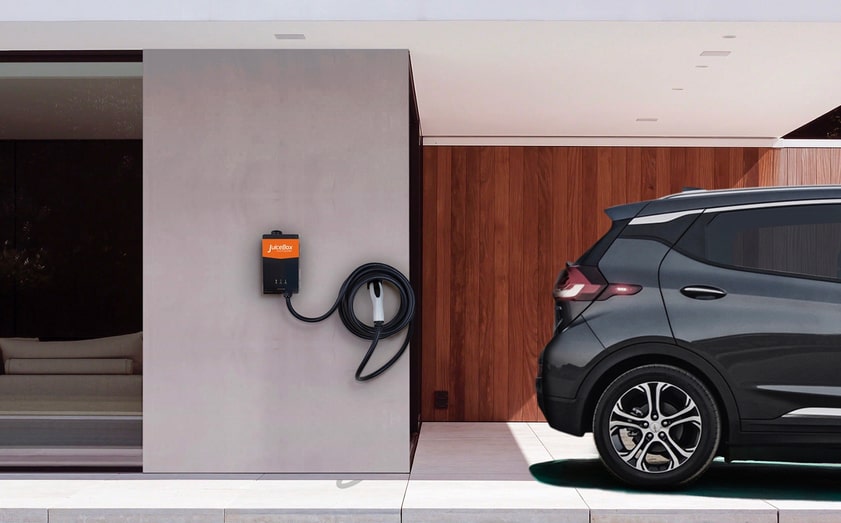
For many households, buying the first electric vehicle changes the way they think about home charging. Being able to plug in at home and start the next day with a charged vehicle can make EV ownership considerably more convenient.
Then a new question often appears: what happens when the household buys a second EV?
For Greely homeowners, preparing for two electric vehicles can require more planning than simply installing another charger beside the first one. Two chargers can represent significant electrical demand, particularly when the property already has other major electrical equipment such as a heat pump, hot tub, electric heating, workshop equipment, pool equipment, or a large detached garage.
The good news is that preparing for a second EV does not automatically mean replacing the electrical panel or upgrading the home’s service. Several possible charging arrangements may be available depending on the property, vehicles, charging habits, equipment, and existing electrical capacity.
The best time to think about that second vehicle is often before it arrives.
Whether your household already owns one EV or is preparing to purchase its first, here is what Greely homeowners should understand about planning an electrical system for two vehicle charging.
Why Plan for the Second EV Now?
Many households replace vehicles at different times.
One driver may switch to an EV today while the second vehicle remains gasoline powered for several more years. When that second vehicle eventually needs replacement, another EV may become the preferred choice.
If electrical work is already being completed for the first charger, discussing the possibility of a second EV provides an opportunity to look at the home’s longer term requirements.
Planning ahead may help with decisions involving:
- Electrical capacity
- Panel configuration
- Charger location
- Garage layout
- Underground wiring
- Detached garages
- Future renovations
- Other major electrical loads
You do not necessarily need to install two chargers immediately. The objective is to avoid making decisions for charger number one that unnecessarily complicate charger number two.
Start With the Home’s Existing Electrical Service
Before planning another EV charger, understand the electrical system you already have.
An evaluation may consider:
- Electrical service capacity
- Main panel condition
- Existing breaker configuration
- Current major electrical loads
- Existing EV charger
- Planned second charger
- Future household upgrades
This provides a clearer picture of what the home is already supporting and what additional charging may require.
100 Amp Versus 200 Amp Is Not the Whole Story
Homeowners frequently focus on whether they have 100 amp or 200 amp electrical service.
Service size is important, but it does not answer every question.
Two homes with the same service size can have very different electrical demands.
One Greely property may use electricity primarily for ordinary household loads.
Another may already contain:
- Electric heating
- Heat pump equipment
- Hot tub
- Pool equipment
- Workshop
- Electric water heating
- One EV charger
The second property has a very different electrical profile.
That is why planning should be based on the individual home rather than service size alone.
Having 200 Amp Service Does Not Guarantee Unlimited Capacity
A 200 amp electrical service provides substantial capacity for many homes, but it does not mean every large electrical load can be added without evaluation.
Consider a property with:
- Two EVs
- Heat pump
- Electric range
- Clothes dryer
- Hot tub
- Workshop equipment
The combined electrical demand needs to be considered.
Major additions should therefore be planned as part of the home’s overall electrical system.
A 100 Amp Home May Still Have Options
On the other hand, homeowners should not automatically assume a 100 amp service makes EV charging impossible.
The appropriate solution depends on the home’s calculated demand, charging requirements, existing equipment, and available technology.
An electrical assessment can help determine what options are suitable for the property.
A service upgrade should be recommended because it is actually necessary or beneficial for the planned electrical system, not simply because an EV is being added.
An Electrical Load Calculation Can Be an Important First Step
An electrical load calculation helps evaluate expected demand on the home’s electrical service.
When planning a second EV charger, it can provide useful information about how charging fits alongside existing household loads.
This is particularly valuable when the property already has several major electrical systems.
For example, imagine a Greely household with one EV charger, a heat pump, electric range, and hot tub.
The family now wants a second EV.
Instead of looking only at the empty breaker positions in the panel, the overall electrical demand should be considered.
Breaker Space Is Not the Same as Available Capacity
This distinction is worth emphasizing.
An unused breaker position means there may be physical room for another breaker.
It does not necessarily mean there is sufficient electrical capacity available for another major load.
Likewise, a panel that appears physically full does not by itself tell you everything about the home’s overall service capacity.
Both the panel configuration and electrical demand need to be evaluated.
Do Both EVs Really Need Maximum Charging at the Same Time?
This is one of the most useful questions for a two EV household.
Many vehicles spend several hours parked at home overnight.
Depending on driving habits, both vehicles may not need to charge at their maximum possible rate simultaneously.
For example, one vehicle may travel a long distance each day while the second vehicle is used mainly for shorter local trips.
Understanding actual driving patterns can help homeowners and electrical professionals discuss an appropriate charging strategy.
Charging Speed Should Match the Household’s Needs
Faster is not automatically better.
The objective of home charging is generally to have enough energy available when the vehicle is needed.
A homeowner who drives a modest distance each day may not require the charger’s maximum possible charging rate every night.
A driver with a long daily commute may have different needs.
When two EVs share a household, charging requirements should be based on:
- Daily driving distance
- Time parked at home
- Vehicle battery size
- Vehicle charging capability
- Departure times
This can help determine how much charging capacity the household realistically requires.
Load Management Can Be Important for Two EV Homes
Some EV charging systems and electrical solutions can manage when and how charging loads operate.
Depending on the equipment and installation, load management can help coordinate charging demand rather than simply assuming both vehicles must draw their maximum power simultaneously.
The appropriate solution depends on the property and equipment.
For some homes, this type of planning may provide greater flexibility without unnecessarily increasing electrical infrastructure.
Two Chargers May Be Able to Coordinate Their Charging
Certain compatible EV charging systems can share available electrical capacity between multiple charging points.
For example, charging power may be distributed between two vehicles rather than both chargers continuously drawing their maximum potential load at the same time.
Whether this approach is appropriate depends on the chargers, vehicles, electrical installation, and household charging requirements.
Homeowners interested in this option should discuss compatible equipment before purchasing chargers.
Choose Charging Equipment Carefully
Not every charger offers the same features.
Before buying equipment for a two EV household, consider factors such as:
- Vehicle compatibility
- Charging capacity
- Hardwired versus receptacle connected installation
- Cable length
- Outdoor suitability
- Smart charging capabilities
- Load sharing features
- Manufacturer requirements
Selecting equipment before understanding the electrical plan can unnecessarily limit your options.
It is often better to determine the charging strategy first and then choose equipment that supports it.
Plan Charger Locations Before Installation
Greely homes may have attached garages, detached garages, long driveways, or larger parking areas.
Charger location can significantly affect everyday convenience.
Think about where each vehicle normally parks.
Consider:
- Charge port location on each vehicle
- Parking direction
- Cable reach
- Garage door locations
- Outdoor parking
- Future vehicles
A charger positioned perfectly for today’s EV may be inconvenient for a future vehicle with its charge port in a different location.
Think About How Vehicles Will Be Parked Five Years From Now
Families change vehicles.
Teenagers begin driving.
Garages become workshops.
A third vehicle may be added.
When choosing charger locations, think beyond the current parking arrangement.
The goal is to create reasonable flexibility without installing unnecessary equipment.
Detached Garages Require Additional Planning
Some Greely properties have detached garages located away from the main house.
Adding EV charging to these buildings can involve additional considerations, including:
- Distance from the main electrical service
- Feeder capacity
- Existing garage subpanel
- Underground electrical infrastructure
- Other garage loads
- Future second charger
If underground work is required, planning for both vehicles before excavation can be particularly valuable.
Underground Electrical Work Should Consider Future Charging
Suppose you’re installing power to a new detached garage and currently own only one EV.
If a second EV is likely, discuss that before the trench is completed.
Future charging requirements may influence the electrical design.
Planning while the ground is already open can be considerably easier than disturbing a finished driveway, walkway, or landscaping later.
Consider the Other Electrical Loads in the Garage
EV chargers may not be the only significant electrical equipment in a Greely garage.
The space might also contain:
- Electric heating
- Air compressor
- Power tools
- Welder
- Freezer
- Garage door openers
- Lighting
All of these contribute to the electrical requirements of the building.
A garage being designed for two EVs and a serious workshop should be planned differently from a garage used only for parking.
Electric Garage Heating Can Make a Difference
Greely winters can make a heated garage appealing.
However, electric heating can add significant electrical demand.
If you expect to heat the garage, include that equipment when planning EV charging.
Installing a second charger first and deciding on electric heating later can change the electrical picture considerably.
Heat Pumps Should Be Included in Long Term Planning
If your home already uses a heat pump or you intend to install one, include it in the discussion.
A household gradually moving toward greater electrification may eventually have:
- Two EVs
- Heat pump
- Electric cooking
- Electric water heating
- Other major loads
Considering these projects together helps create a more realistic electrical plan.
Don’t Forget the Hot Tub
Hot tubs are another substantial electrical load commonly considered by homeowners with larger outdoor spaces.
If a hot tub already exists or is planned, make sure it is included when evaluating capacity for a second EV charger.
The same principle applies to pool equipment and other major backyard electrical additions.
Kitchen Renovations Can Change Electrical Demand
A future kitchen renovation may introduce new electrical equipment.
For example, switching from gas cooking to induction can change the home’s electrical requirements.
Additional wall ovens, beverage refrigerators, and other appliances may also be part of a major renovation.
If a kitchen project is expected within the next several years, mention it when planning two vehicle charging.
Home Additions Should Be Considered Too
Adding living space can introduce additional:
- Lighting
- Receptacles
- Heating and cooling
- Appliances
- Bathroom equipment
If a major addition is planned, electrical capacity should be considered across the entire property rather than reserving all available flexibility for one project.
Could One Charger Serve Two Vehicles?
Depending on parking arrangements and household routines, some families may find that one charger can serve two EVs.
For example, if both vehicles have relatively modest daily driving requirements, alternating charging may be practical.
Other households will prefer the convenience of having a charging connection for each vehicle.
There is no universal answer.
The right arrangement depends on how the vehicles are actually used.
Two Charging Locations Can Still Be Convenient
Even when both vehicles do not need maximum simultaneous charging, having a charging connection available at each parking position can improve convenience.
Nobody wants to move vehicles late at night simply because one car has finished charging.
The electrical design can therefore consider both convenience and actual electrical demand.
Think About Charging Outdoors
Not every Greely homeowner parks both vehicles inside a garage.
If one vehicle is regularly parked outside, an exterior charging location may be appropriate.
Outdoor charging equipment needs to be suitable for its environment and installed according to applicable requirements.
The location should also consider:
- Snow
- Ice
- Rain
- Cable management
- Vehicle positioning
- Snow removal
A charger that is convenient in July should still be practical in January.
Protect Charging Cables From Everyday Damage
Charging cable placement matters.
Avoid arrangements where cables routinely cross:
- Walkways
- Garage entrances
- Driving paths
Good charger positioning can reduce trip hazards and unnecessary wear on equipment.
Consider Whole Home Surge Protection
A household with two EVs is likely to contain substantial electronic equipment throughout the property.
In addition to charging equipment, modern homes may contain electronics inside:
- HVAC systems
- Appliances
- Computers
- Televisions
- Smart home equipment
Whole home surge protection can provide an additional layer of protection against certain electrical surges.
If panel work is already part of the charging project, it can be a convenient time to discuss this option.
Think Carefully About Generator Planning
Standby generators are popular on some Greely properties because outages can affect heating, refrigeration, pumps, and other important systems.
EV charging and generator planning should be considered separately and realistically.
During an outage, homeowners may prioritize:
- Heating
- Well pump
- Sump pump
- Refrigerator
- Freezer
- Essential lighting
- Communications
Charging two electric vehicles could represent a substantial additional generator load.
Whether EV charging should be included in a backup power strategy depends on generator capacity, household priorities, and the overall system design.
Solar and Battery Storage May Influence Future Planning
Some homeowners may eventually consider solar generation or home battery storage.
These technologies introduce additional electrical planning considerations.
If a major electrical upgrade is already being considered for EV charging and you expect to explore solar or battery storage later, mention that long term objective during planning.
The future system does not necessarily need to be installed today, but understanding the direction of the property can help avoid unnecessary limitations.
Don’t Assume Every EV Requires the Same Charging Setup
Different vehicles can have different charging capabilities and battery sizes.
A charger capable of supplying a particular amount of power does not mean every vehicle will use all of it.
Likewise, replacing one EV with another in the future may change charging requirements.
This is another reason to create a flexible charging plan rather than designing everything around one current vehicle.
Check Equipment Specifications Before Buying
Before purchasing a second charger, confirm:
- Electrical requirements
- Charging capability
- Compatibility
- Installation method
- Environmental rating
- Smart features
If load sharing or other coordinated charging features are part of the strategy, confirm that the equipment actually supports the intended configuration.
Avoid Treating Power Bars or Extension Cords as EV Charging Solutions
EV charging should use equipment and electrical infrastructure appropriate for the purpose.
Improvised extension arrangements should not become a substitute for a properly planned charging installation.
If the desired parking location does not currently have appropriate charging infrastructure, address the electrical design rather than relying on a temporary workaround.
Electrical Panel Changes Should Be Based on the Actual Project
Some second charger installations may require panel modifications.
Others may not.
The appropriate solution should be determined from:
- Existing electrical system
- Calculated demand
- Charging equipment
- Household loads
- Future plans
A panel or service upgrade should not be assumed until the property has been properly evaluated.
Future Proofing Does Not Mean Installing Everything Today
Preparing for a second EV does not necessarily mean buying a second charger immediately.
Future planning might simply involve:
- Evaluating capacity
- Selecting an appropriate first charger
- Choosing a flexible location
- Considering underground infrastructure
- Planning the garage electrical system
- Discussing future loads
The objective is to preserve practical options.
Consider Your Daily Driving Patterns
Two EV households can have dramatically different charging needs.
One family may have two commuters travelling significant distances every weekday.
Another may have one commuter vehicle and one car that travels only short local distances.
Those households do not necessarily require identical charging infrastructure.
Before deciding on charging capacity, consider how much energy each vehicle actually needs to recover overnight.
Off Peak Charging Can Be Convenient
Smart charging equipment and vehicle scheduling features can allow homeowners to choose when charging occurs.
Depending on the household and electricity rate structure, scheduled charging may provide practical advantages.
It can also help ensure vehicles charge during the hours when they are normally parked for extended periods.
Homeowners should review their electricity plan and charger capabilities when deciding how to schedule charging.
Prepare Before Purchasing the Second Vehicle
Ideally, do not wait until the second EV is sitting in the driveway to begin asking electrical questions.
Before purchasing the vehicle, determine:
- Where it will park
- How quickly it needs to charge
- Whether the existing charger can be shared
- Whether another charger is desired
- Whether the electrical system can support the planned arrangement
This gives you time to make informed decisions rather than rushing an installation.
Electrical Permits and Inspections in Ontario
EV charging equipment is part of the home’s electrical system, and electrical work in Ontario is subject to applicable electrical safety requirements.
Depending on the work being completed, notification and inspection through the Electrical Safety Authority may be required.
Homeowners should confirm the applicable process with their electrical contractor before installation.
This helps ensure required electrical work and inspections are incorporated into the project from the beginning.
Frequently Asked Questions
Can I install two EV chargers at my Greely home?
Potentially, yes. The appropriate installation depends on your electrical service, existing loads, charger requirements, parking arrangement, and available electrical capacity.
Do I need 200 amp service for two EV chargers?
Not automatically. Service requirements depend on the property’s overall electrical demand and the charging strategy being used. The home should be evaluated before assuming a service upgrade is necessary.
Can two EV chargers share available electrical capacity?
Some compatible charging and load management systems can coordinate electrical demand. Whether this is appropriate depends on the equipment and installation.
Do both EVs need to charge at full power simultaneously?
Not necessarily. Charging requirements depend on daily driving distance, vehicle capability, parking time, and household routines.
Can one Level 2 charger be shared between two EVs?
For some households, yes. If both vehicles have manageable daily charging needs and schedules allow it, alternating between one charger may be practical.
Should I install the second charger before buying the second EV?
Not necessarily. However, evaluating the electrical system and planning the future charging location before purchasing the vehicle can make the transition easier.
Does an empty breaker position mean I can add another EV charger?
No. Physical breaker space and available electrical service capacity are separate considerations.
Can I install an EV charger in a detached garage?
Yes. The installation needs to account for the electrical supply to the garage, distance, existing loads, charger requirements, and overall property capacity.
Should I prepare underground wiring for two EV chargers?
If a detached garage or parking area is being built and two EVs are likely in the future, discussing future charging requirements before excavation is completed can be valuable.
Can my hot tub affect whether I can add a second EV charger?
It can influence the home’s overall electrical demand. Hot tubs, heat pumps, electric heating, and other major equipment should be considered when evaluating additional EV charging.
What if I plan to install a heat pump later?
Mention it during EV charging planning. A future heat pump can represent another significant electrical load and should be considered when developing the home’s long term electrical strategy.
Can I charge an EV outdoors during a Greely winter?
Home EV charging can be installed outdoors using equipment and an installation suitable for the environment. Charger location should consider snow, ice, cable management, vehicle positioning, and manufacturer requirements.
Can my standby generator charge both EVs?
Potentially, but EV charging can represent substantial electrical demand. Generator capacity, other priority loads, transfer equipment, and household needs would need to be evaluated.
Does a second EV charger mean I need a new electrical panel?
Not necessarily. Panel or service changes should be based on the existing system and proposed installation rather than assumed simply because a second EV is being added.
Should I consider whole home surge protection when adding another charger?
It can be worth discussing, particularly if electrical panel work is already being performed. Whole home surge protection can provide an additional layer of protection against certain electrical surges.
Build a Charging Plan for the Household You Are Becoming
The first EV charger is often installed around one immediate question: how do we charge this vehicle at home?
The second EV changes the conversation.
Now the electrical system needs to support two vehicles alongside everything else the property requires.
For Greely homeowners, that may include a heat pump, hot tub, electric heating, workshop equipment, detached garage, well or sump equipment, and other substantial electrical loads.
That does not mean every two EV household needs an expensive service upgrade.
Instead, it means the home should be evaluated as one complete electrical system.
Start with available capacity. Understand how far each vehicle travels. Decide where both vehicles will park. Consider whether they genuinely need maximum simultaneous charging. Explore appropriate charging and load management options where applicable. Then look at the other electrical projects you expect over the coming years.
If a detached garage is being built, plan before the trench is closed. If the panel is already being modified, discuss future charging before the work is finalized. If a heat pump or hot tub is next on your project list, include it in the conversation now.
The goal is not to install more electrical equipment than you need.
It is to make sure today’s first EV charger does not become tomorrow’s obstacle when a second electric vehicle arrives.
For homeowners in Greely and nearby communities including Manotick, Metcalfe, Riverside South, and South Keys, early electrical planning can create a home charging setup that remains practical as household transportation changes.
